Key Takeaways
- Reduce lawn areas with mulch, gravel, or ground covers to cut down on mowing and watering.
- Choose native plants and perennials that suit your local climate and require less ongoing care.
- Group plants with similar watering needs to simplify irrigation and avoid wasting water.
- Use evergreen shrubs to provide dependable structure and greenery throughout the year.
- Add defined edging and simple walkways to keep the landscape organized and easier to maintain.
- Keep the overall design simple by repeating reliable plants and using consistent landscaping materials.
- Add strategically placed planters and outdoor lighting to improve curb appeal without creating extra yard work.
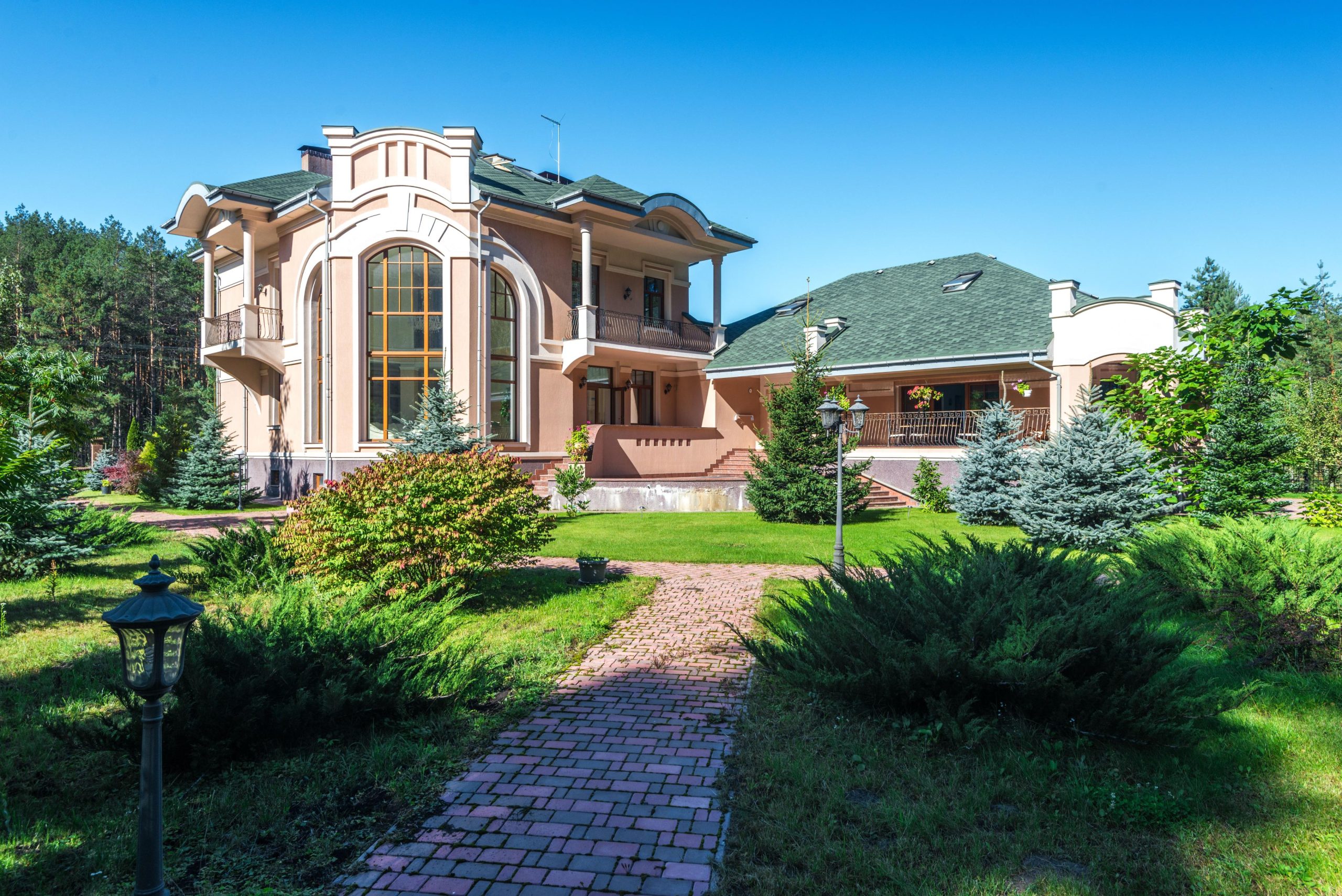
A beautiful front yard can improve curb appeal and make your home feel more welcoming. However, an attractive landscape does not have to mean spending every weekend mowing, watering, trimming, and pulling weeds. With the right design choices, you can create a front yard that looks neat while requiring less work throughout the year.
Low-maintenance landscaping starts with choosing features that fit your climate, property, and lifestyle. Instead of filling every open area with grass or high-maintenance plants, use a combination of hardy plants, mulch, stone, defined borders, and simple hardscaping. These materials can reduce routine yard work while still creating an attractive outdoor space.
The following landscaping ideas can help you simplify your front yard without making it look empty or unfinished. Some can be completed in a weekend, while others can be added gradually as your budget allows.
1. Replace Some Lawn With Mulch
A large lawn may look simple, but it can require regular mowing, watering, fertilizing, and weed control. Reducing the amount of grass in your front yard is one of the easiest ways to lower ongoing maintenance.
Consider expanding existing flower beds or creating new mulched areas around trees, shrubs, and walkways. Mulch gives these spaces a clean appearance while helping the soil retain moisture and limiting some weed growth.
Before spreading mulch, remove weeds and define the edges of the bed. Apply an appropriate layer around plants, but avoid piling mulch directly against tree trunks or plant stems. Organic mulch will slowly break down, so it may need to be refreshed from time to time.
Key points:
- Reduce large sections of high-maintenance lawn.
- Use mulch around shrubs, trees, and garden beds.
- Keep mulch away from trunks and stems.
- Create clean edges for a finished appearance.
2. Choose Native Plants
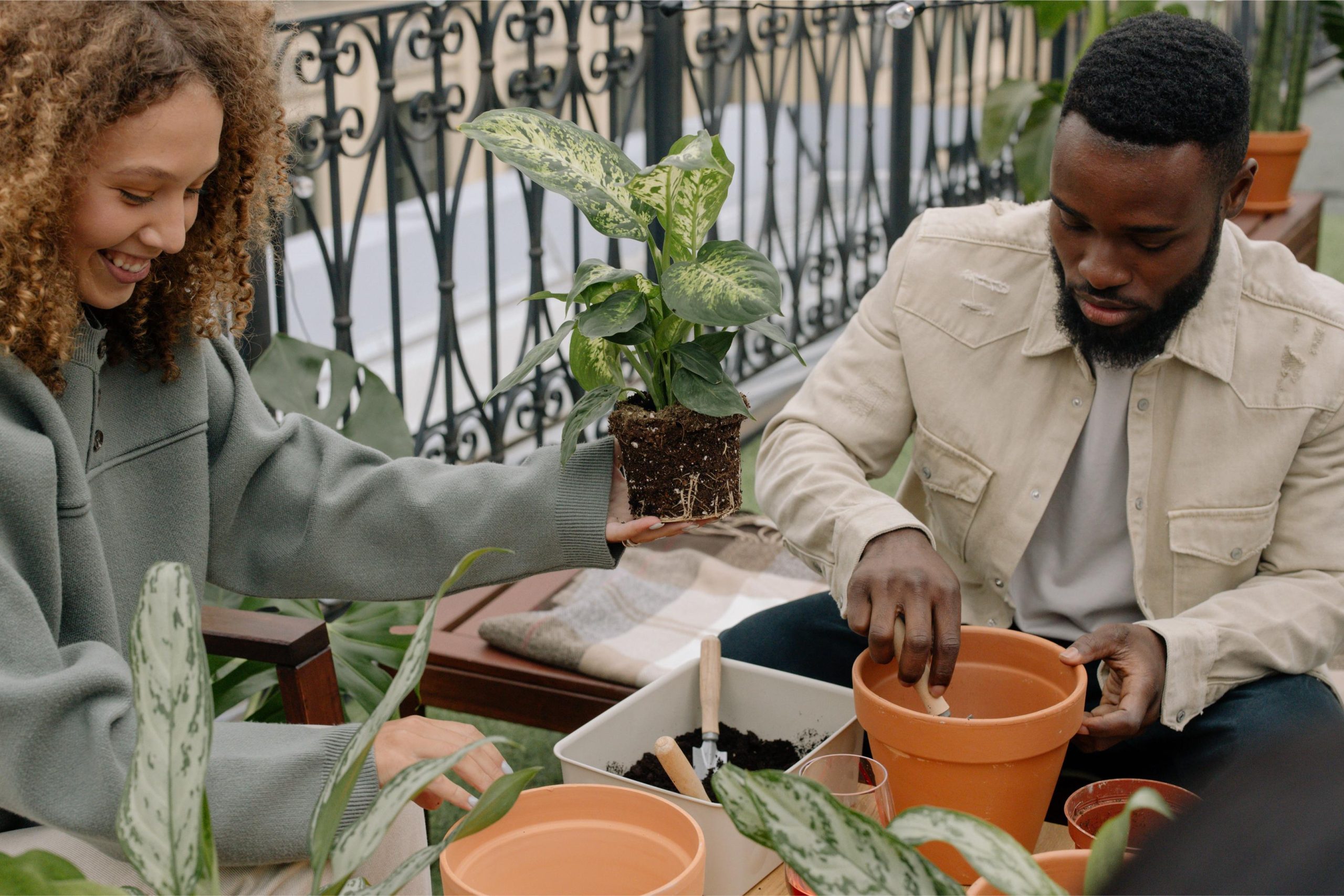
Plants that naturally grow in your region are often well suited to local temperatures, rainfall, and soil conditions. Once established, many native species can require less extra watering and care than plants adapted to a completely different environment.
Research native flowers, shrubs, grasses, and ground covers that fit the amount of sunlight in your yard. A plant that prefers full sun may struggle beside a shaded porch, even if it is native to your area.
You should also consider mature plant size. A small shrub at the garden center may eventually become several feet wide. Giving plants enough room from the beginning reduces the need for constant pruning or transplanting later.
Local nurseries and cooperative extension resources can be helpful when selecting plants for your region.
Key points:
- Look for species suited to your local climate.
- Match each plant to available sunlight.
- Consider mature height and width before planting.
- Choose plants based on your actual yard conditions.
3. Plant More Perennials
Annual flowers can provide impressive seasonal color, but many need to be replaced every year. Perennials return for multiple growing seasons, which can reduce the amount of planting you need to do each spring.
Choose several varieties with different bloom periods. One group might flower in spring, another in summer, and another later in the growing season. This approach can provide changing color without requiring you to replace an entire flower bed every few months.
Perennials still need care, especially while they become established. Some may require occasional dividing, pruning, or cutting back. However, carefully selected varieties can generally provide reliable color with less yearly planting.
A perennial garden can also be useful when working through a spring cleaning checklist, since you can include removing dead growth and checking mulch as part of your seasonal outdoor cleanup instead of redesigning beds each year.
Key points:
- Select varieties suited to your growing zone.
- Combine plants with different bloom periods.
- Allow enough room for mature growth.
- Learn the basic seasonal care each variety requires.
4. Use Decorative Gravel or Stone
Gravel and decorative stone can replace grass in areas where plants are difficult to grow or mowing is inconvenient. These materials work especially well along pathways, narrow side areas, utility zones, and selected sections near the house.
Before adding stone, prepare the area carefully. Remove existing weeds and create defined borders so gravel does not spread into nearby lawn or garden beds. Depending on the site and your landscaping plan, an appropriate weed-control layer may also be useful.
Stone does not eliminate maintenance completely. Leaves, soil, and weeds can still collect over time. However, it does not need mowing or regular watering.
Avoid covering the entire property with one type of rock unless that style fits your home and climate. Combining stone with plants often creates a softer and more inviting appearance.
Key points:
- Use gravel in difficult-to-mow locations.
- Prepare the ground before installation.
- Add edging to contain loose material.
- Mix stone with plants for visual balance.
5. Add Defined Landscape Edging
Clean borders can make even a simple front yard look organized. Edging separates lawns, flower beds, gravel, and walkways while helping different landscaping materials stay in place.
There are several materials to choose from, including metal, plastic, brick, concrete, and stone. Your choice should fit your budget, landscape style, and maintenance goals.
For example, flexible edging works well for curved garden beds, while brick or stone can create a more noticeable border. Whatever material you choose, install it carefully so the finished line looks intentional.
Defined borders can also make mowing easier by creating a clear edge between grass and planting areas. During summer home maintenance, inspect edging that may have shifted due to weather, foot traffic, or soil movement and reset loose sections as needed.
Key points:
- Separate lawn from mulch and gravel.
- Choose edging that complements the house.
- Use borders to create clean landscaping lines.
- Check occasionally for movement or damage.
6. Plant Evergreen Shrubs for Year-Round Structure
If you want your landscape to look established without constantly changing plants, evergreen shrubs can provide a dependable foundation. They maintain foliage through much or all of the year, depending on the species and climate.
Use evergreens near the foundation, around an entryway, or as background plants behind seasonal flowers. Avoid placing large shrubs too close to windows, siding, walkways, or utility equipment.
The key to reducing maintenance is choosing the right mature size. A shrub that naturally stays compact usually requires less pruning than a large variety repeatedly cut down to fit a small location.
Spacing is equally important. Crowded shrubs can restrict airflow, compete for resources, and require frequent trimming.
Key points:
- Choose shrubs that fit the available space when mature.
- Use evergreens to create year-round structure.
- Avoid overcrowding foundation plantings.
- Check sunlight and soil requirements before planting.
7. Create a Simple Walkway
A clear walkway improves both curb appeal and function. It guides visitors toward the entrance while protecting planted areas from foot traffic.
If your property does not already have a walkway, consider stepping stones, pavers, gravel, or another outdoor-rated material. Choose a surface that is appropriate for your climate and provides stable footing.
Keep the route simple. A direct or gently curved walkway is usually easier to maintain than a complicated path with many narrow turns. Make it wide enough for comfortable use and keep plants far enough away that they will not constantly grow across the walking surface.
A well-designed path can also divide larger planting areas into smaller, more manageable sections.
Key points:
- Create a clear route toward the entrance.
- Select stable materials designed for outdoor use.
- Avoid overly complicated layouts.
- Leave room for nearby plants to mature.
8. Use Ground Covers in Difficult Areas
Some sections of a front yard simply do not grow grass well. Deep shade, slopes, poor access, or awkward corners can make mowing and lawn care frustrating. Ground-cover plants may provide an easier alternative in suitable locations.
Low-growing plants can spread across bare soil and create a more finished appearance. Depending on your region, options may include flowering varieties, evergreen ground covers, or low-growing native plants.
Research carefully before planting. Some ground covers spread aggressively and can become difficult to control. Look for noninvasive species recommended for your area.
Ground covers are not completely maintenance-free, especially while becoming established. However, once they fill in, suitable varieties may reduce mowing and help cover spaces where traditional lawn struggles.
Key points:
- Use ground covers in difficult lawn areas.
- Choose noninvasive varieties suited to your region.
- Consider sunlight and moisture requirements.
- Give new plants time to become established.
9. Group Plants by Watering Needs
Randomly placing plants throughout the yard can make watering more complicated. One plant may prefer dry soil while the one beside it needs regular moisture. Grouping plants with similar water needs can make routine care easier and more efficient.
Place drought-tolerant plants together and keep plants that need more moisture in another area. This makes it easier to provide water where it is actually needed instead of treating the entire landscape the same way.
This strategy is especially helpful if you use drip irrigation or soaker hoses. Water can be directed closer to plant roots instead of spraying large areas unnecessarily.
Good planning also matters when other home projects are underway. Just as kitchen remodeling preparation involves organizing work before construction begins, planning planting zones before digging can prevent unnecessary changes and wasted materials later.
Key points:
- Group plants with similar moisture requirements.
- Avoid mixing thirsty plants with drought-tolerant varieties.
- Consider efficient watering methods.
- Plan planting zones before purchasing plants.
10. Add Large Planters Near the Entrance
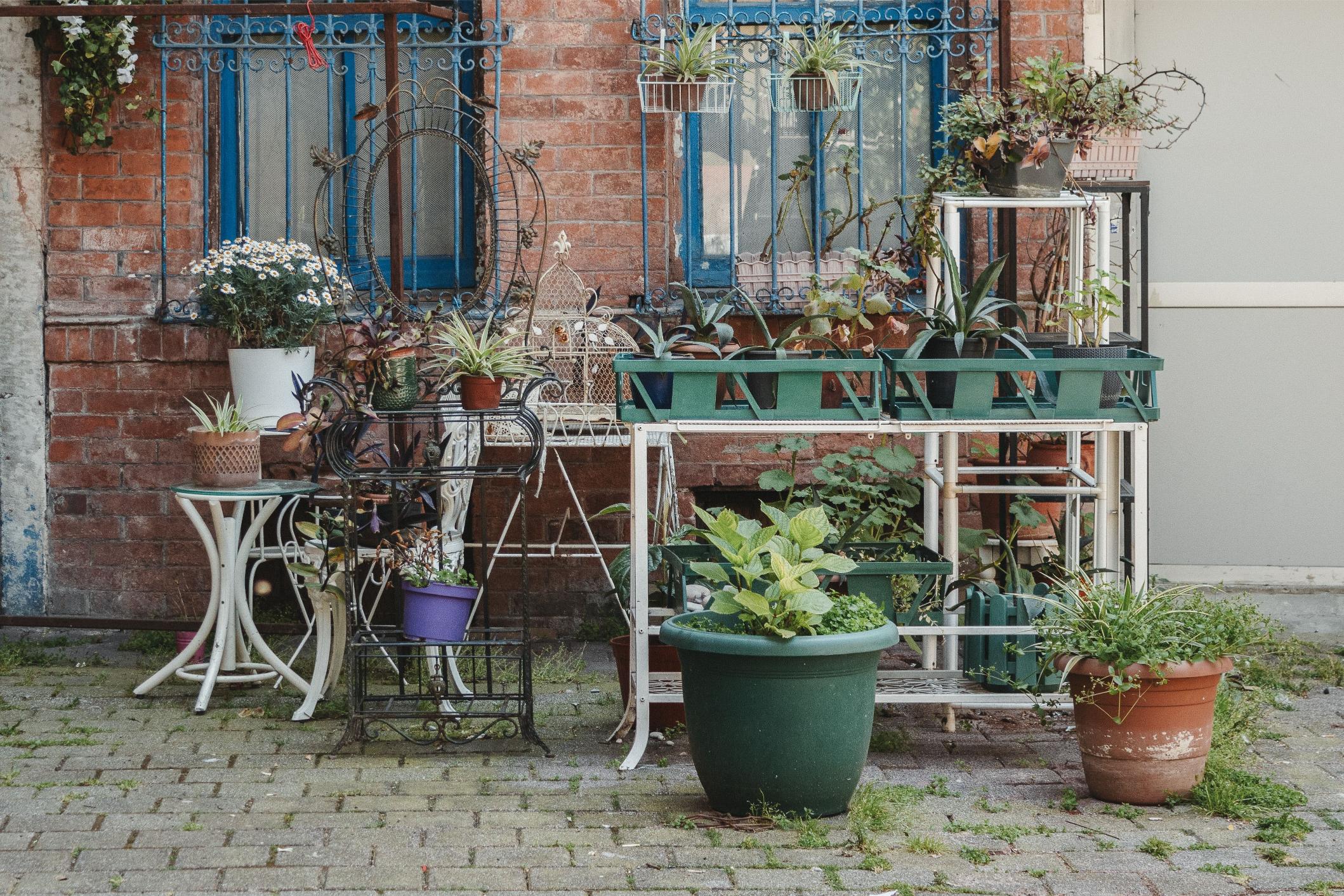
You do not need large flower beds to bring color to your front entrance. A few well-placed containers can create an attractive focal point while keeping plants concentrated in manageable areas.
Place one or two large planters near the porch, front steps, or doorway. Larger containers often dry out more slowly than very small pots and can provide enough space for several compatible plants.
Choose containers that complement your home’s exterior. Neutral pots can work with many architectural styles, while decorative containers can add more personality.
For even less work, fill planters with hardy perennials or small evergreens suited to container growing in your climate. Keep in mind that container plants may have different watering and winter protection needs than plants growing directly in the ground.
Key points:
- Use containers to concentrate seasonal color.
- Select pots that complement the house.
- Consider larger containers for greater visual impact.
- Choose plants suitable for container conditions.
11. Keep the Landscape Design Simple
A low-maintenance front yard does not need dozens of plant varieties. In fact, using too many different plants can make the landscape harder to care for because each species may have different needs.
Instead, select a smaller group of reliable plants and repeat them throughout the yard. Repetition creates a more organized appearance and can simplify watering, pruning, and seasonal care.
You can also limit your landscaping materials. Using the same mulch, stone, and edging in several areas helps the yard feel connected rather than divided into unrelated sections.
Leave some open space between plants instead of filling every inch of soil. Remember that young plants will grow. Proper spacing now can prevent overcrowding and excessive pruning in the future.
Key points:
- Limit the number of plant varieties.
- Repeat plants for a consistent appearance.
- Use matching materials throughout the landscape.
- Plan for mature plant sizes.
12. Install Low-Maintenance Landscape Lighting
Outdoor lighting can highlight your home’s best features while making pathways and steps easier to see after dark. It does not need to be complicated to improve curb appeal.
Solar landscape lights are among the simplest options because they do not require electrical wiring. Place them where the panels receive enough sunlight during the day. They can work well along walkways, garden borders, and driveways.
For stronger or more reliable illumination, low-voltage landscape lighting may be worth considering. Installation can be more involved, so follow all manufacturer directions and local electrical requirements.
Avoid covering the yard with lights. A few fixtures placed near important features often look better and require less upkeep. Focus on entrances, paths, steps, and one or two attractive landscape elements.
Clean fixtures occasionally and remove leaves or plant growth that block the light.
Key points:
- Focus lighting on entrances and pathways.
- Consider solar fixtures for simple installation.
- Avoid using more lights than necessary.
- Keep fixtures clear of dirt and overgrown plants.
Conclusion
Creating a low-maintenance front yard is about working smarter rather than removing every plant or covering the property with stone. The right combination of native plants, perennials, mulch, gravel, ground covers, shrubs, and hardscaping can create an attractive landscape that requires less routine work.
Start by identifying which parts of your current yard take the most time to maintain. A difficult patch of grass might become a ground-cover bed, while an empty entrance could be improved with two large planters. Expanding mulch beds or simplifying plant choices can also make a noticeable difference without requiring a complete landscape renovation.
Most importantly, choose materials and plants that fit your climate and property. A simple landscape that is designed around real growing conditions will usually be easier to maintain than one built around appearance alone. With thoughtful planning, your front yard can stay attractive and welcoming without taking up every free weekend.