This comprehensive guide is designed to move you past basic cosmetic upkeep and into high-impact property preservation. Over the course of ten detailed areas of focus, we will explore advanced strategies for structural fortifying, climate optimization, wildlife mitigation, and smart project management. Whether you are dealing with an older historic property or maintaining a modern suburban home, these steps will provide the actionable depth you need to master your midyear home care.
1. Planning High-Noise Improvements During Family Travel Windows
Maximizing your home improvement productivity requires strategic scheduling, especially when balancing large-scale projects with a busy family life. The most disruptive projects—those involving heavy machinery, structural tearing, or volatile organic compounds—are best executed when the household is naturally empty. Timing these disruptive renovations to coincide with scheduled family travel or youth activities ensures that your daily routine remains unpunished by the chaos of construction.
-
Coordinating major tearing or remodeling schedules with pre-planned family vacations to eliminate the stress of living in a construction zone.
-
Scheduling high-dust interior projects while children are away at summer camp to keep vulnerable respiratory systems safe from airborne particulate matter.
-
Maximizing contractor efficiency by granting them unfettered, full-day access to living spaces without the logistical challenges of keeping kids and pets clear of work zones.
-
Utilizing local supply warehouses to order materials in bulk ahead of time, ensuring that all necessary drywall, fasteners, and framing pieces are sitting on-site before the hammer drops.
-
Sourcing raw construction goods directly from a regional building supply distributor to lock in contractor pricing and avoid mid-project delays due to material shortages.
2. Evaluating Your Structural Roof System for Hidden Damage
Your roof is the primary shield defending your property against the elements. While winter ice and spring wind generate the most obvious structural stress, summer heat introduces severe thermal expansion and UV degradation. A microscopic crack formed in April can quickly become a major structural leak under the baking July sun, making an early summer roof audit an absolute necessity.
-
Conducting a safe, ground-level assessment using high-powered binoculars to check for curled, buckling, or completely missing shingles along the ridge lines.
-
Inspecting the metal flashing around chimneys, dormers, and valleys to ensure the waterproof seals have not dried out, cracked, or pulled away from the masonry.
-
Hiring certified, licensed local roofers to perform a comprehensive tactile inspection and drone-assisted thermal imaging analysis of your roof decking.
-
Looking for signs of granule loss in your downspouts, which indicates that your asphalt shingles are reaching the end of their functional lifespan and losing their fire-retardant capabilities.
-
Repairing minor wind damage immediately to prevent upcoming late-summer thunderstorms from driving water beneath the underlayment and rotting your plywood substrate.
3. Upgrading Drainage Systems to Prevent Foundation Erosion
Water is the single greatest enemy of a home’s foundation. While a functioning roof sheds water effectively, that water must be collected and funneled completely away from your home’s footprint. Clogged, sagging, or improperly pitched drainage channels will dump thousands of gallons of water directly against your foundation walls, leading to concrete cracking, basement flooding, and soil erosion.
-
Clearing out all accumulated organic matter, spring pine needles, and decaying leaves from your gutters to allow completely unrestricted water flow during heavy downpours.
-
Testing the pitch of your horizontal channels using a simple water hose test to guarantee that water moves steadily toward the downspouts rather than pooling in the middle.
-
Hiring professional gutter companies to install seamless aluminum systems and heavy-duty micro-mesh guards that completely eliminate the need for dangerous ladder climbing.
-
Extending downspout termination points at least six to ten feet away from your foundation wall using rigid PVC piping rather than flexible corrugated tubes that clog easily.
-
Ensuring that the subterranean splash blocks are clear and sloped downward so that discharged water cannot seep backward into your crawlspace or basement walls.
4. Maximizing HVAC Performance Through Preventive Care
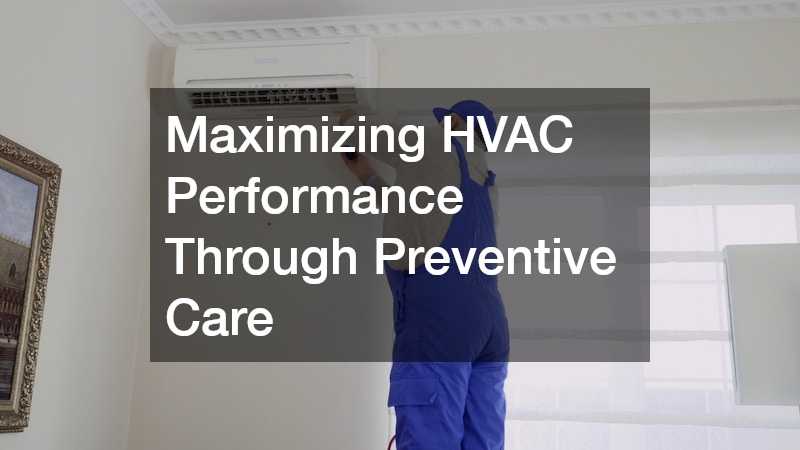
Summer puts immense strain on your home’s mechanical cooling systems. As ambient outdoor temperatures soar, your air conditioner must work twice as hard to extract heat from your indoor air. Without meticulous preventative care, this relentless workload causes component friction, spikes your monthly utility bills, and culminates in a total system breakdown on the hottest day of the year.
-
Replace standard pleated air filters every thirty to sixty days to maintain optimal cubic feet per minute of airflow across your system’s evaporator coil.
-
Cleaning the outdoor condenser unit by gently washing away grass clippings, dirt, and cottonwood pollen from the delicate aluminum cooling fins using a garden hose.
-
Enlisting factory-certified technicians from reputable HVAC services to conduct an annual multi-point inspection, check refrigerant charges, and test electrical capacitors.
-
Clearing the condensate drain line with a wet-dry vacuum or an algaecide treatment to prevent algae blooms from backing up and causing water damage inside your home.
-
Sealing exposed, uninsulated ductwork running through hot attics or crawlspaces to ensure that the cold air you pay for actually reaches your living rooms instead of escaping.
5. Transitioning to High-Efficiency Cooling Infrastructure
There comes a point where repairing an antiquated, decades-old cooling system becomes an exercise in diminishing returns. If your current unit relies on phased-out refrigerants, requires frequent emergency service calls, or struggles to lower the indoor temperature below eighty degrees, a structural infrastructure upgrade is the smartest financial path forward.
-
Calculating the seasonal energy efficiency ratio of your existing equipment to determine exactly how much money you are wasting on inefficient technology.
-
Upgrading to a modern, variable-speed cooling system that automatically scales its output up or down to maintain a perfectly steady indoor climate with minimal power consumption.
-
Planning a comprehensive ac installation during the early summer months to take advantage of manufacturer rebates, seasonal discounts, and optimal technician availability.
-
Evaluating the benefits of ductless mini-split systems for zone-based cooling in specific trouble spots, such as renovated attics, sunrooms, or detached home offices.
-
Installing a smart, programmable thermostat that syncs with your smartphone, allowing you to optimize cooling schedules based on your actual daily occupancy patterns.
6. Mitigating Tree Risks and Overhanging Canopy Threats
The trees surrounding your property add immense aesthetic beauty and valuable shade that lowers your cooling costs. However, they also represent a severe physical hazard if left unmanaged. Summer storms, sudden microbursts, and saturated soil can easily bring down massive, weakened limbs, crushing your roofline, destroying power lines, and creating easy pathways for unwanted wildlife.
-
Scanning your property canopy for dead, hollow, or visibly diseased branches that show signs of fungal growth or severe bark stripping along the main trunk.
-
Trimming back all live tree limbs to maintain a minimum clearance of ten feet from your roof tiles, chimneys, and siding material to stop structural scraping.
-
Hiring a licensed, fully insured tree removal service to safely dismantle massive, high-risk trees that lean precariously over your home or outdoor living structures.
-
Clearing away volunteer saplings and invasive vines growing along your foundation wall, as their root systems can exploit minor concrete cracks and cause structural shifting.
-
Grinding down old, rotting tree stumps in the yard that act as primary breeding grounds for wood-destroying fungi and subterranean termite colonies.
7. Sealing the Exterior Envelope Against Agile Wildlife
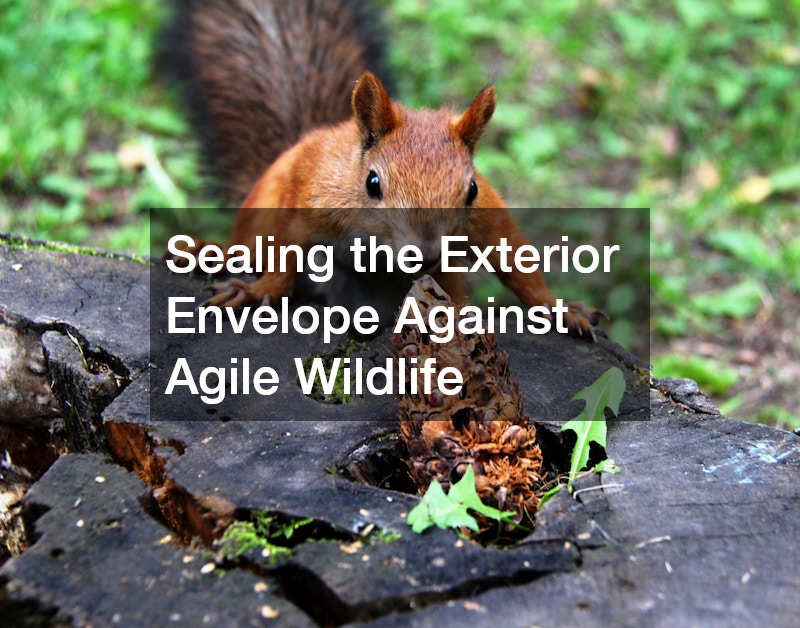
A well-insulated, climate-controlled home is highly attractive to local wildlife seeking shelter from the summer heat or looking for secure nesting sites. Small animals possess an incredible ability to exploit the tiniest structural gaps along your roofline, fascia boards, and soffit vents, transforming your quiet attic into a destructive habitat.
-
Installing heavy-gauge steel hardware cloth over all exterior attic vents, crawlspace openings, and chimney caps to block entry while maintaining necessary airflow.
-
Inspecting the junctions where your roof meets your fascia boards, as these soft wooden areas are prime targets for animals looking to chew their way inside.
-
Eliminating structural bridges by removing low-hanging branches that agile squirrels utilize to jump directly onto your roof and access unsealed entry points.
-
Repairing damaged, torn, or loose window screens and sealing the perimeters of exterior utility penetrations with industrial silicone caulk and steel wool.
-
Storing all outdoor pet food, birdseed, and household trash in heavy-duty, airtight plastic or metal bins to avoid broadcasting scent trails that attract hungry foragers.
8. Eradicating Structural and Subterranean Crawling Insect Threats
Warmer weather triggers an explosion in insect populations. While some insects are merely a temporary nuisance, others pose a significant threat to your property’s structure and your family’s hygiene. Crawling pests thrive in warm, damp, dark environments, making crawlspaces, under-sink cabinets, and wall voids primary areas for rapidly growing infestations.
-
Auditing your kitchen and pantry spaces for microscopic food debris, keeping all dried goods sealed in airtight glass or hard plastic containers.
-
Eliminating indoor moisture sources by fixing leaky traps, sweating pipes, and installing high-capacity dehumidifiers in damp basements or crawlspaces.
-
Contact a licensed cockroach exterminator at the first sign of an infestation to deploy targeted baiting systems and insect growth regulators deep inside wall cavities.
-
Creating an uninterrupted chemical or organic barrier around the entire exterior foundation of your home to repel crawling insects before they cross your threshold.
-
Removing stacks of firewood, decomposing leaf mulch, and scrap lumber away from your siding, as these piles act as incubator zones for wood-boring pests.
9. Eliminating Stinging Insect Hazards in Outdoor Living Zones
Summer is meant to be spent outdoors, enjoying patios, decks, and manicured lawns. However, stinging insects also maximize their activity during these months, building hidden, highly defensive colonies in areas where humans and pets frequently walk, play, and relax. Managing these aggressive pests requires careful observation and swift, decisive action.
-
Checking the underside of deck railings, porch ceilings, window shutters, and children’s playsets every week for early-stage paper nests.
-
Inspecting your lawn and garden retaining walls for signs of ground-nesting species that establish colonies in abandoned rodent burrows or loose soil.
-
Arranging a professional yellow jacket extermination if you discover an active, high-traffic nest near your home’s primary entryways or outdoor dining areas.
-
Sealing gaps in brick exterior veneer, missing mortar joints, and uncovered weep holes to prevent stinging insects from building massive nests inside your structural walls.
-
Hanging specialized, non-toxic traps along the distant perimeter of your yard to draw foraging insects away from your immediate outdoor gathering spaces.
10. Executing a Comprehensive Structural Seal and Finish Audit

The final stage of an effective summer maintenance routine involves a detailed walkthrough of your home’s entire physical exterior to evaluate the condition of protective coatings, caulking, and masonry joints. The extreme heat of summer can bake out elasticity from sealants, leaving your home highly vulnerable to the moisture, wind, and freezing conditions of the upcoming autumn and winter seasons.
-
Scraping away old, dried, dried-out caulk around exterior door frames and window perimeters, replacing it with high-grade, flexible polyurethane sealants.
-
Inspecting painted wooden surfaces for signs of peeling, bubbling, or cracking, and applying a fresh coat of weather-resistant exterior paint to block moisture penetration.
-
Checking concrete walkways, driveways, and patio slabs for settling or structural cracking, filling those voids with specialized self-leveling concrete sealers.
-
Verifying that your home’s exterior ledger boards—where decks attach directly to the main house structure—are properly flashed and showing no signs of rot.
-
Cleaning and sealing wooden decks with a high-quality UV-blocking stain to prevent splintering, twisting, and deep water rot caused by relentless sun exposure.
A thorough finishing audit ties all your summer maintenance efforts together. By ensuring that your home’s outer shell is completely sealed, painted, and weatherproofed, you lock in your energy efficiency gains and protect your structural investments for years to come.
A truly smart homeowner recognizes that property maintenance is not a disconnected series of chores, but an ongoing commitment to preservation. A home that is well-ventilated, properly insulated, clear of structural hazards, and defended against pests functions as a safer, healthier, and far more cost-effective environment for your family. As you cross the final tasks off your midyear checklist, you can move forward into the autumn and winter seasons with absolute confidence, knowing that your most valuable asset is completely secure, highly efficient, and fully prepared to withstand whatever challenges the elements bring.