
A major home renovation can transform a living space, improve everyday comfort, and increase a property’s long-term value. Whether the goal is to modernize an outdated kitchen, expand living areas, improve energy efficiency, or completely change a home’s layout, successful renovations require careful preparation. Beyond choosing materials and design styles, homeowners must consider their budgets, timelines, contractors, existing infrastructure, and how construction will affect their daily routines.
Renovation projects can quickly become complicated when unexpected repairs, delayed materials, or changing design preferences enter the picture. Taking time to evaluate important details before construction begins can help homeowners avoid unnecessary stress and make decisions that align with their long-term needs.
From financial planning and structural assessments to material selection and temporary living arrangements, several factors deserve attention before committing to a major home improvement project.

Establish a Realistic Renovation Budget
One of the first steps in planning a major renovation is determining how much money is available for the project. Home improvements can involve expenses beyond the obvious costs of labor and materials. Permits, design services, demolition, equipment rentals, waste removal, and unexpected repairs can all affect the final price.
Start by identifying the project’s primary objectives and estimating the costs associated with each improvement. For example, remodeling a kitchen may involve new cabinets, countertops, appliances, plumbing modifications, electrical upgrades, and flooring. A whole-home renovation may require additional structural work, insulation improvements, or updates to several essential systems.
It is also important to establish a contingency fund. Older homes, in particular, may contain hidden problems such as outdated wiring, water damage, deteriorating framing, or plumbing issues that become apparent only after construction begins. Setting aside approximately 10% to 20% of the renovation budget for unexpected expenses can provide a financial cushion, although more extensive projects may require additional reserves.
Homeowners should also distinguish between essential upgrades and optional design features. Addressing safety concerns, structural problems, and failing systems generally deserves priority over cosmetic improvements. A clear budget makes it easier to maintain those priorities when decisions become more complicated.
Evaluate the Home’s Existing Condition
Before selecting finishes or finalizing a floor plan, homeowners should understand the condition of their existing property. A renovation is an opportunity to improve a home, but it can also reveal problems that have developed over many years.
A thorough property assessment should examine the foundation, roof, walls, flooring, plumbing, electrical systems, insulation, windows, and ventilation. Identifying existing issues early helps homeowners determine which repairs should be completed before or alongside the planned improvements.
Structural concerns are particularly important. Cracks in foundation walls, uneven floors, sagging ceilings, or signs of moisture intrusion may indicate problems that require professional evaluation. Ignoring these warning signs can lead to additional damage and higher repair costs later.
Homeowners should also investigate the condition of their water supply when applicable. Properties that depend on private wells may benefit from a water well inspection before renovations involving bathrooms, kitchens, laundry rooms, or other water-intensive spaces. Understanding the system’s condition, water quality, and capacity can help determine whether additional upgrades are necessary.
An assessment provides a clearer picture of the work involved and allows homeowners to create a renovation plan based on the property’s actual needs rather than assumptions.
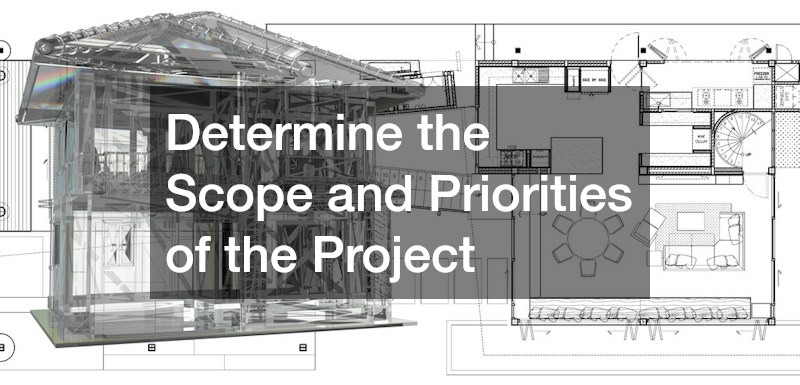
Determine the Scope and Priorities of the Project
A successful renovation begins with a clear understanding of what the project is expected to accomplish. Without defined goals, it is easy for renovations to expand beyond their original scope, increasing expenses and extending construction timelines.
Homeowners should identify the improvements that matter most. Some projects focus on functionality, such as creating an open kitchen, adding storage, improving accessibility, or converting an unused room into a home office. Others emphasize comfort, energy efficiency, or updating the home’s overall appearance.
Creating a prioritized list can help guide decisions throughout the renovation. Separate essential improvements from desirable extras, then consider how each change will affect the home’s usability and long-term maintenance needs.
It is also useful to think about how household needs may evolve. A growing family may require additional bedrooms, while homeowners planning to age in place might prioritize wider doorways, accessible bathrooms, or fewer stairs. Considering future needs during the planning stage can prevent the need for additional renovations sooner than expected.
Once priorities are established, homeowners can work with designers and contractors to determine which improvements are practical within the available budget and the home’s existing layout.
Choose the Right Materials for Long-Term Performance
Material selection can influence a renovation’s appearance, durability, maintenance requirements, and overall cost. While it may be tempting to choose finishes based entirely on current design trends, homeowners should consider how well materials will perform under everyday conditions.
Flooring, countertops, cabinetry, siding, roofing, and insulation all have different maintenance requirements and lifespans. For example, durable flooring may be particularly valuable in homes with children, pets, or high-traffic living spaces. Similarly, moisture-resistant materials can help protect bathrooms, kitchens, and laundry rooms from damage.
Roofing deserves special consideration during major renovations. Installing a metal roof may offer benefits such as durability, weather resistance, and reduced maintenance requirements, depending on the product and installation. Homeowners should compare its initial cost, expected lifespan, appearance, and compatibility with the existing roof structure before making a decision.
Exterior improvements also require careful planning. If the renovation includes new siding, a local siding contractor can assess the existing exterior, recommend suitable materials, and explain how different options perform in the local climate.
It is worth requesting material samples and comparing warranties before placing orders. Homeowners should also confirm that selected materials are available within the project’s expected timeline. A carefully chosen design can lose its appeal if construction delays or premature deterioration create avoidable problems.

Plan Plumbing, Electrical, and HVAC Upgrades
Major renovations often provide an opportunity to update essential home systems. These improvements may not be as visually noticeable as new cabinetry or decorative finishes, but they can significantly affect comfort, safety, and long-term operating costs.
Plumbing should be reviewed whenever a project involves kitchens, bathrooms, laundry rooms, or changes to the home’s layout. Relocating sinks, showers, toilets, and appliances may require new pipes, drainage adjustments, or modifications to existing connections. Hiring a qualified plumber can help ensure that the work complies with applicable codes and that the updated system supports the household’s needs.
Electrical planning is equally important. Modern homes often require more outlets, dedicated appliance circuits, updated lighting, and sufficient electrical capacity for new equipment. Older wiring or outdated electrical panels may need attention before additional loads are introduced.
Heating and cooling systems should also be considered early in the renovation process. An existing HVAC system may not be suitable for an expanded floor plan or newly configured rooms. Changes to insulation, windows, air sealing, and room layouts can also influence heating and cooling requirements.
A professional evaluation can help determine whether the current system needs repairs, ductwork modifications, zoning improvements, or complete replacement. Addressing these systems before walls and ceilings are closed can reduce the likelihood of costly changes later.
Research Contractors and Verify Their Credentials
Choosing qualified contractors is one of the most important decisions homeowners make before a major renovation. Even a well-designed project can encounter significant problems if the people completing the work lack the necessary experience, organization, or technical skills.
Start by researching professionals who have experience with similar projects. A contractor who regularly completes kitchen renovations may not have the same expertise required for a structural addition or whole-home remodel. Reviewing portfolios, customer feedback, references, and examples of previous work can help homeowners evaluate whether a contractor is suitable.
Request detailed estimates from multiple contractors when practical. Each estimate should outline the expected scope of work, materials, labor costs, project schedule, payment terms, and responsibilities. Comparing estimates with similar project details makes it easier to understand pricing differences and identify missing items.
Homeowners should also verify applicable licenses, insurance coverage, permits, and professional qualifications. Written contracts are essential because they establish expectations and explain how changes, delays, additional costs, and disputes will be handled.
Communication should not be overlooked. Contractors need to understand the homeowner’s priorities, while homeowners should feel comfortable asking questions and receiving progress updates. Establishing a consistent communication process before construction begins can help avoid misunderstandings throughout the project.

Consider Energy Efficiency and Utility Requirements
A renovation can provide an opportunity to improve the home’s energy performance. Better insulation, efficient appliances, upgraded windows, improved ventilation, and modern heating and cooling equipment may reduce energy consumption while making indoor spaces more comfortable.
Homeowners should assess where energy is being wasted before investing in upgrades. Drafty windows, insufficient attic insulation, air leaks, and outdated equipment may contribute to high utility bills. An energy assessment can help identify which improvements are likely to provide meaningful benefits.
Properties that rely on delivered fuel should also consider how renovation plans may affect heating requirements and fuel storage. For example, changes to the home’s heating system may influence the amount and frequency of propane delivery needed throughout the year. Homeowners should ensure that equipment, storage arrangements, and access for deliveries remain practical and compliant with applicable safety requirements.
Water efficiency is another area worth examining. Low-flow fixtures, efficient appliances, and leak prevention can reduce unnecessary water consumption. Homeowners with pools may also need to consider how renovations affect existing filtration and treatment equipment. A reverse osmosis pool service may be relevant when specialized water treatment is part of the property’s pool maintenance requirements.
Evaluating utility needs early helps homeowners coordinate upgrades and avoid installing systems that are poorly suited to the renovated space.
Prepare for Construction Disruptions
Even well-organized renovation projects can disrupt everyday life. Noise, dust, limited access to certain rooms, and temporary utility interruptions can make a home difficult to use while construction is underway.
Before work begins, homeowners should decide whether they can comfortably remain in the property throughout the renovation. Smaller projects may require only a few adjustments to daily routines, while extensive renovations involving kitchens, bathrooms, or multiple floors may make temporary relocation more practical.
If moving out is necessary, consider the costs of temporary accommodation, storage, transportation, and meals. Hiring a local mover may simplify the process of relocating furniture and household belongings, particularly when heavy items need to be moved into storage or transported to another residence.
Homeowners who remain on-site should establish designated living areas that are separate from construction zones. Protecting furniture, sealing off work areas, and creating safe pathways can reduce dust exposure and help maintain a degree of normalcy.
It is also helpful to discuss construction schedules with contractors. Knowing when noisy work, utility shutdowns, or major deliveries are expected makes it easier to plan around important household activities.
If renovation work affects upholstered furniture, curtains, or other fabric surfaces, scheduling upholstery cleaning services after construction may help remove accumulated dust and restore furniture to a clean condition.
Planning for disruptions in advance can make the renovation experience more manageable and reduce stress for everyone in the household.
Review Outdoor Spaces and Property Boundaries
Major home renovations often extend beyond the interior. Exterior projects involving landscaping, patios, driveways, outdoor kitchens, or additional living spaces can change how a property looks and functions.
Homeowners should consider how outdoor improvements will connect with the home’s existing architecture and surrounding landscape. Drainage, privacy, accessibility, and long-term maintenance should all factor into exterior design decisions.
Fencing is another consideration, particularly when renovations involve changes to outdoor living areas or property access. A fence company can help evaluate fencing materials, placement, installation requirements, and privacy options. Homeowners should confirm property boundaries and review local restrictions or homeowners association requirements before beginning this type of work.
Outdoor renovations may also require additional electrical connections, drainage modifications, or changes to existing irrigation systems. Coordinating these elements with the main renovation plan can prevent construction conflicts and reduce the need for future adjustments.
The goal is to create a cohesive property where interior improvements and outdoor spaces complement one another while meeting practical household needs.
Understand Permits, Regulations, and Project Timelines
Permits and local building regulations are essential considerations before beginning major renovation work. Depending on the project’s size and location, homeowners may need approvals for structural modifications, electrical upgrades, plumbing changes, additions, or certain exterior improvements.
Permit requirements vary by jurisdiction, so homeowners should confirm applicable rules with their local building department. Contractors may assist with the application process, but property owners should understand which permits are necessary and who is responsible for obtaining them.
Building inspections may also be required at different stages of construction. These inspections help verify that work meets relevant safety and building standards before a project can proceed or receive final approval.
Project timelines deserve equal attention. Construction schedules can be affected by material availability, contractor workloads, weather conditions, inspection delays, and unexpected discoveries inside walls or beneath flooring.
Rather than relying on an idealized completion date, homeowners should discuss realistic scheduling expectations with their contractors. Identifying critical milestones and building flexibility into the schedule can make it easier to manage unavoidable delays.
Keeping important documents, approvals, contracts, and inspection records organized throughout the renovation can also simplify future maintenance, insurance matters, and potential property sales.
A major home renovation involves much more than selecting attractive finishes or updating outdated rooms. It requires thoughtful financial planning, a clear understanding of the property’s condition, careful contractor selection, and consideration of how construction will affect everyday life.
By evaluating essential systems, choosing durable materials, preparing for unexpected expenses, and establishing realistic project expectations, homeowners can approach renovations with greater confidence. A well-planned renovation can improve comfort, functionality, and long-term property value while creating a home that better supports changing needs.